Ritalin Abuse, Side Effects & Workplace Drug Testing
Ritalin Abuse: What You Need to Know About Side Effects, Risks, and Workplace Drug Testing
It often starts with a simple decision—one pill to stay focused, meet a deadline, or push through a long night.
Prescription medications can be powerful tools when used correctly. However, when misused, they can quickly become dangerous.
Ritalin, a commonly prescribed stimulant, is one of the most frequently misused prescription drugs today. While it has legitimate medical uses, Ritalin abuse is a growing concern—especially among students and working professionals.
Understanding what Ritalin is, its risks, and how misuse affects both individuals and workplaces is essential for prevention and safety.
What Is Ritalin?
Ritalin (methylphenidate) is a central nervous system stimulant most often prescribed to treat ADHD and narcolepsy. It works by increasing certain brain chemicals that help regulate focus, attention, and alertness.
When used as directed, it can help individuals manage symptoms effectively. However, because of its stimulating effects, it is also commonly misused—making it a key contributor to prescription abuse.
Quick Answer: What Is Ritalin Abuse?
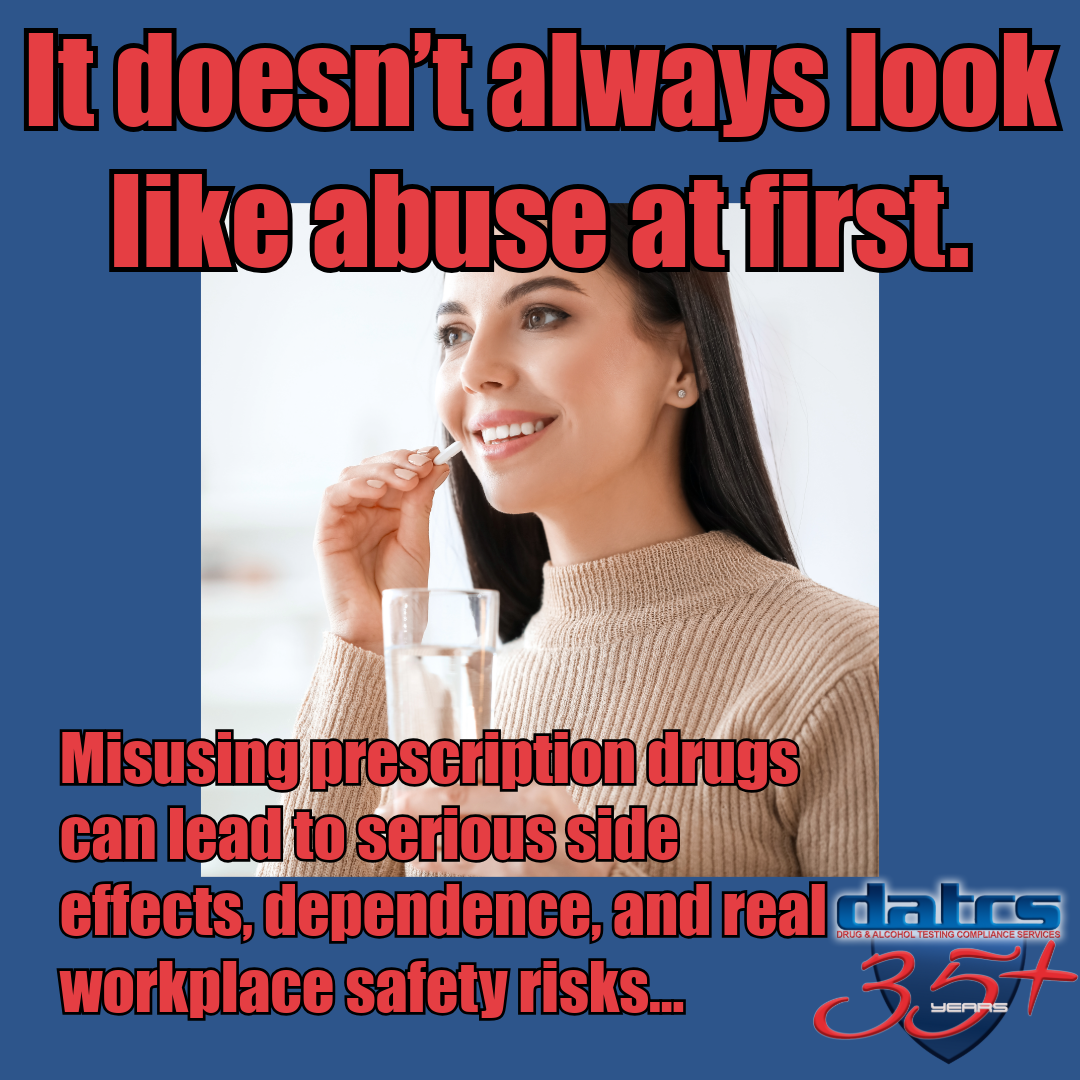
Ritalin abuse occurs when someone takes Ritalin without a prescription, takes more than prescribed, or uses it in unsafe ways such as crushing, snorting, or injecting it. Ritalin is a prescription stimulant, and misuse can lead to serious side effects, dependence, addiction, workplace safety concerns, and legal consequences.
Why Ritalin Abuse Happens
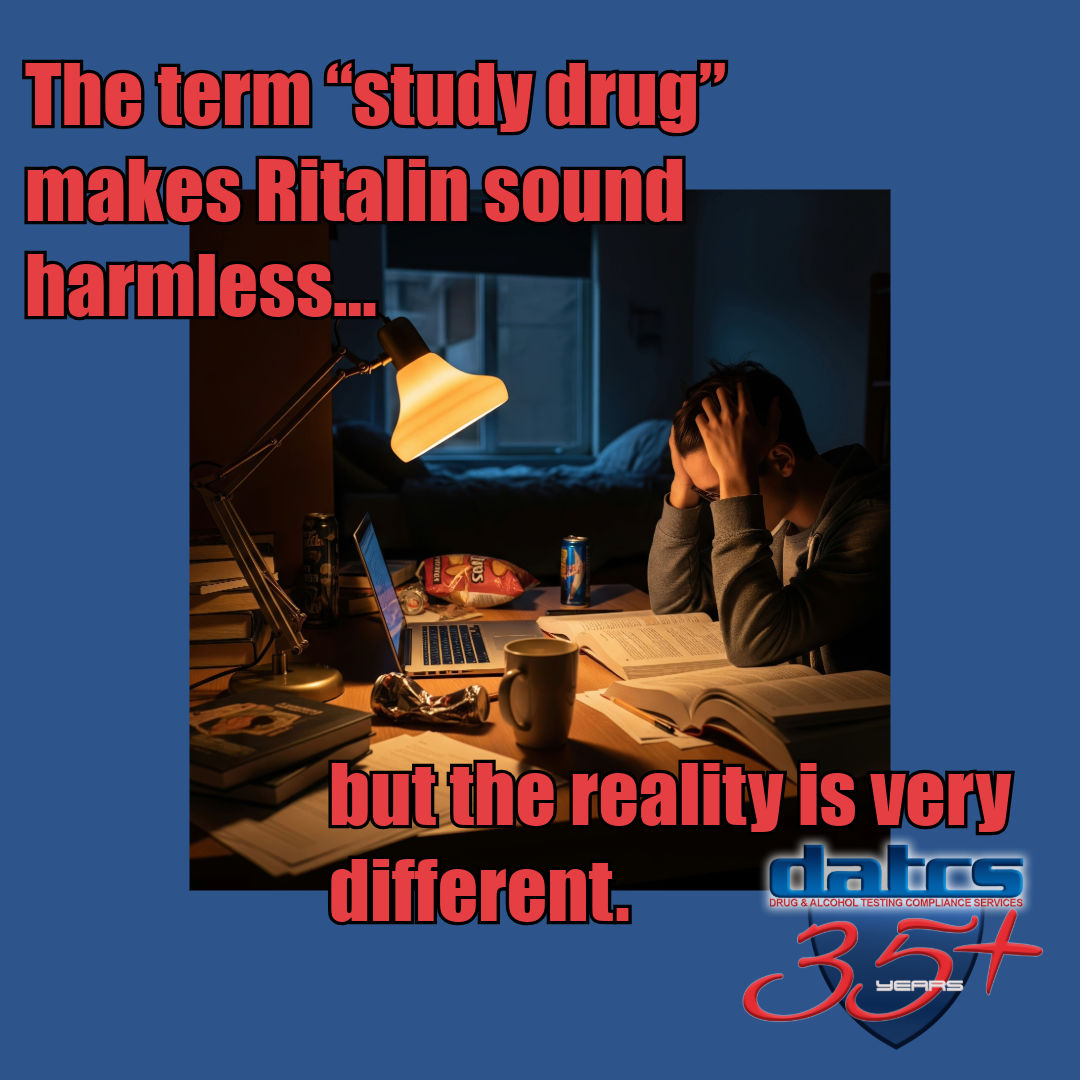
Ritalin misuse is often driven by performance pressure.
Students and professionals may misuse the drug to:
- Stay awake longer
- Improve focus and productivity
- Enhance academic or job performance
- Suppress appetite
- Experience increased energy or euphoria
Because it is prescribed by doctors, many people assume it is safe under any circumstances. This misconception is one of the leading causes of prescription abuse.
How Ritalin Abuse Starts
In many cases, misuse begins with a simple decision during a stressful situation.
Someone facing deadlines or heavy workloads may take Ritalin, hoping for better performance. At first, it may seem helpful by increasing energy and focus. But as the effects wear off, users often experience a crash that includes fatigue, irritability, and reduced concentration.
This cycle of stimulation followed by a crash is one of the key reasons repeated use can quickly turn into dependence.
To avoid this crash, some individuals take more of the drug, leading to repeated use, increased dosage, and eventually dependence.
Common Methods of Misuse
Ritalin misuse can take several forms:
- Taking someone else’s prescription
- Taking higher doses than prescribed
- Using it only during high-pressure situations
- Crushing and snorting pills
- Dissolving and injecting the drug
These methods increase how quickly and intensely the drug affects the body, significantly raising the risk of addiction and harmful side effects.
Ritalin Side Effects and Warning Signs
Recognizing Ritalin side effects early can help prevent more serious complications.
Short-Term Side Effects
- Increased heart rate
- Elevated blood pressure
- Loss of appetite
- Insomnia
- Anxiety or panic
- Irritability
- Headaches or dizziness
Behavioral Warning Signs
- Restlessness or agitation
- Mood swings
- Declining performance despite use
- Risk-taking behavior
- Dependence on the drug to function
Severe Side Effects
- Hallucinations
- Paranoia
- Aggression
- Seizures
- Irregular heartbeat
Long-Term Effects of Ritalin Misuse
Long-term misuse can cause serious damage to both physical and mental health.
Physical Risks
- Heart and blood vessel damage
- Increased risk of heart attack or stroke
- Respiratory issues
- Significant weight loss
Mental and Behavioral Risks
- Chronic anxiety or depression
- Psychosis or paranoia
- Cognitive impairment
- Strong psychological dependence
Prescription Abuse and Addiction
Prescription abuse often starts subtly.
Because Ritalin affects the brain’s reward system, repeated misuse can lead to:
- Tolerance (needing more for the same effect)
- Psychological dependence
- Compulsive use despite consequences
Even occasional misuse can gradually turn into a long-term problem if not addressed early.
School and Workplace Risks: Why Drug Testing Matters
While commonly associated with students, Ritalin misuse is not limited to schools—it also affects workplaces across many industries.
Employees may misuse stimulants to:
- Work longer hours
- Increase productivity
- Combat fatigue
However, this can create serious safety risks.
Misuse can impair:
- Judgment
- Reaction time
- Decision-making
- Emotional stability
- Sleep patterns
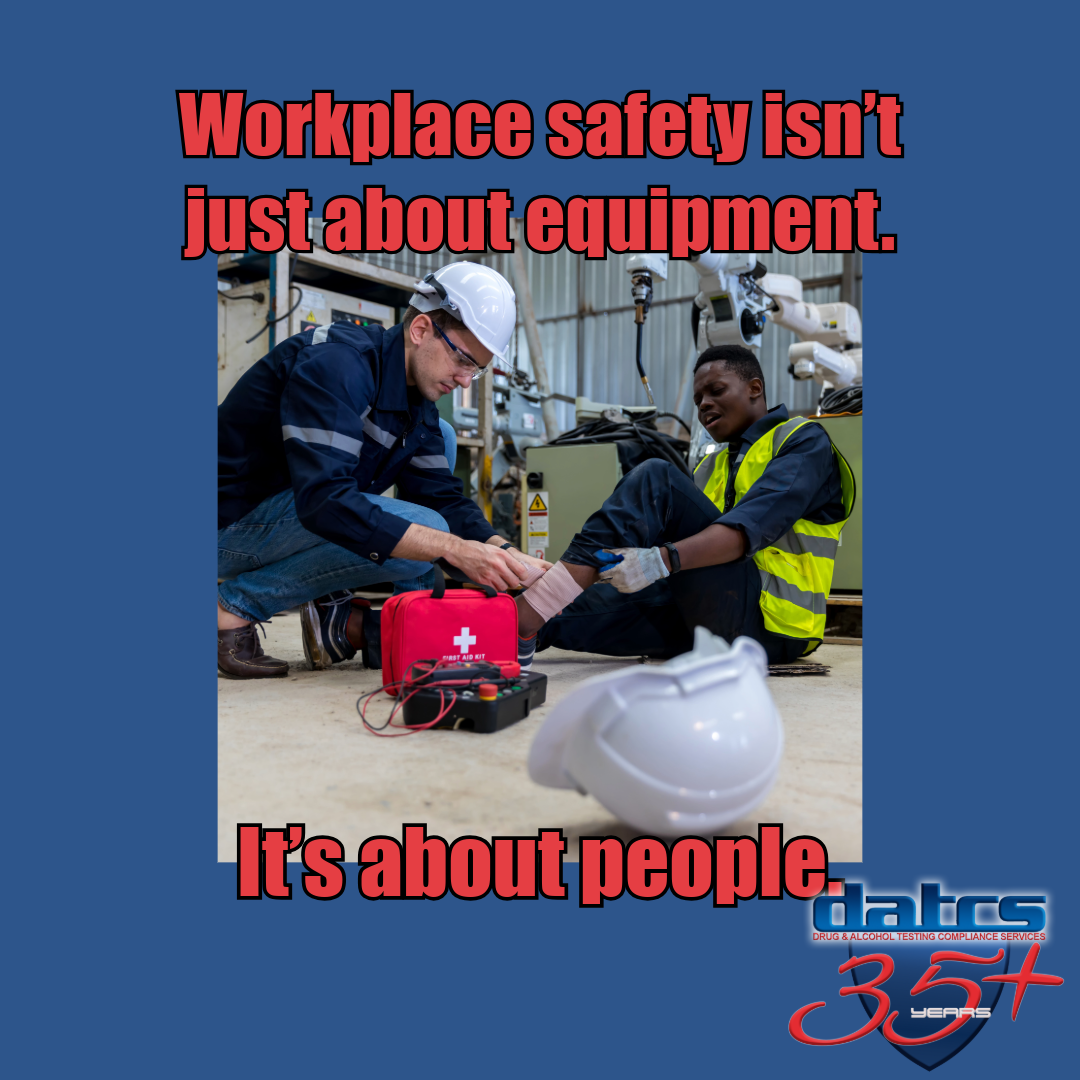
In safety-sensitive roles, these effects can increase the likelihood of workplace accidents and errors.
The Role of Drug Testing
Workplace Drug Testing programs help organizations:
- Detect substance misuse early
- Maintain compliance with regulations
- Improve workplace safety
- Reduce liability
DATCS provides nationwide Testing programs designed to help employers detect misuse early, stay compliant, and protect their workforce.
For businesses managing regulated employees, DATCS also offers Compliance support to help meet federal and DOT requirements.
Reasonable Suspicion Training for Employers
One of the most effective ways to address substance misuse is through supervisor education.
DATCS provides Training programs that teach supervisors how to:
- Recognize signs of impairment
- Document behaviors correctly
- Take appropriate action
This type of training is critical in identifying potential Ritalin abuse and prescription abuse before it escalates into serious incidents.
Workplace Drug Testing and Safety Support in Your Area
Prescription abuse, including Ritalin misuse, can affect workplaces of every size—from small businesses to large organizations in safety-sensitive industries.
DATCS provides drug and alcohol testing and compliance support nationwide, with offices located in:
- Longview, TX
- Tyler, TX
- Shreveport, LA
- Bossier City, LA
- Wichita Falls, TX
Whether you need pre-employment testing, random screening, post-accident testing, or supervisor training, DATCS helps businesses build safer, more compliant workplaces.
Final Thoughts
Ritalin can be effective when used properly. But misuse carries risks that are often underestimated.
Understanding what Ritalin is, recognizing Ritalin side effects, and addressing prescription abuse early can prevent serious health and safety issues.
For employers, combining education with Drug Testing and supervisor Training is essential for maintaining a safe and compliant workplace.
The goal is not just awareness—it’s prevention. With the right knowledge and tools, individuals and organizations can make safer, more informed decisions.
FAQ: Frequently Asked Questions about Ritalin
What is Ritalin used for?
Ritalin is prescribed to treat ADHD and narcolepsy. It helps improve focus, attention, and impulse control when used under medical supervision.
What is Ritalin abuse?
Ritalin abuse occurs when someone takes the medication without a prescription, takes higher doses than prescribed, or uses it in unsafe ways such as snorting or injecting it.
What are common Ritalin side effects?
Common side effects include increased heart rate, high blood pressure, insomnia, anxiety, loss of appetite, and irritability. Severe misuse can lead to hallucinations, paranoia, or seizures.
Can Ritalin be addictive?
Yes. Because it affects the brain’s reward system, misuse can lead to dependence, tolerance, and addiction over time.
Why is Ritalin abuse a workplace concern?
Ritalin misuse can impair judgment, reaction time, and sleep, increasing the risk of workplace accidents—especially in safety-sensitive industries.
Can Drug Testing detect prescription abuse?
Yes. Workplace Drug Testing programs can help identify misuse of certain substances when conducted under a compliant testing program.
What is reasonable suspicion training?
Reasonable suspicion training teaches supervisors how to recognize and respond to signs of drug or alcohol misuse in the workplace.
Does DATCS provide services in my area?
DATCS provides drug testing, compliance services, and training nationwide, including in Longview, TX; Tyler, TX; Shreveport, LA; Bossier City, LA; and Wichita Falls, TX.