
Scromiting: The Surprising Illness Linked to Heavy Cannabis Use
What Is Scromiting?
For decades, marijuana has been promoted by many as a way to reduce nausea, ease discomfort, and improve appetite. Yet doctors across the United States continue to see patients experiencing a condition that seems to turn those expected effects upside down.
The condition is called Cannabinoid Hyperemesis Syndrome (CHS), and its most severe cases have earned an unusual nickname: scromiting.
A combination of the words screaming and vomiting, scromiting describes extreme episodes of vomiting, abdominal pain, and distress that can occur in some people after prolonged, heavy cannabis use. While the term may sound like something invented on social media, the underlying medical condition is very real and is receiving growing attention from healthcare providers, researchers, and public health agencies.
Scromiting is a nickname for severe episodes of screaming and vomiting associated with Cannabinoid Hyperemesis Syndrome (CHS), a condition linked to chronic, heavy cannabis use. Symptoms can include persistent nausea, abdominal pain, repeated vomiting, and temporary relief from hot showers.
Recent data from the Centers for Disease Control and Prevention suggest that Cannabinoid Hyperemesis Syndrome may be far more common than previously recognized, particularly among younger cannabis users.
As THC levels continue to rise in many cannabis products and public perceptions of marijuana evolve, understanding the risks associated with chronic cannabis use has become increasingly important.
Key Takeaways
- Scromiting is a severe form of vomiting associated with Cannabinoid Hyperemesis Syndrome (CHS).
- CHS is linked to long-term, frequent cannabis use.
- Common symptoms include nausea, abdominal pain, repeated vomiting, and temporary relief from hot showers.
- High-potency cannabis products may be contributing to increased concern among healthcare professionals.
- The only proven long-term treatment is stopping cannabis use.
A Growing Public Health Concern
Cannabinoid Hyperemesis Syndrome has been recognized in medical literature for years, but new data suggest many cases may have been misunderstood or misdiagnosed.
In August 2026, the CDC published an analysis of emergency department visits involving CHS. Researchers identified nearly 200,000 emergency department visits related to Cannabinoid Hyperemesis Syndrome between January 2023 and May 2026.
The agency noted a sharp increase in recognized cases after the implementation of a dedicated CHS diagnostic code in late 2025. This increase suggests that many cases may have previously gone unrecognized or been categorized under broader gastrointestinal diagnoses.
The CDC also reported higher rates among younger individuals and females and emphasized the need for greater awareness regarding the potential health consequences associated with frequent cannabis use.
These findings arrive during a period when cannabis availability has expanded across much of the country and cannabis products have become significantly more potent than those available in previous generations.
How Common Is Cannabinoid Hyperemesis Syndrome?
This is one of the most common questions surrounding CHS.
The truth is that researchers are still working to determine exactly how many people are affected. Because symptoms resemble other gastrointestinal disorders, many individuals may never receive a formal diagnosis. Some may also hesitate to disclose their cannabis use to healthcare providers.
However, healthcare systems are reporting increased recognition of the condition, and public health officials believe CHS may be more common than previously thought. The CDC’s recent surveillance findings support that conclusion.
As awareness grows among both patients and healthcare providers, experts expect diagnosis rates to continue increasing.
Why Does Cannabis Cause CHS?
Researchers have not identified a single definitive explanation for Cannabinoid Hyperemesis Syndrome.
Scientists believe the condition may involve long-term disruption of the body’s endocannabinoid system, a network of receptors that influences appetite, digestion, pain perception, mood, and nausea regulation.
THC and other cannabinoids interact with receptors throughout the body, including those located within the gastrointestinal tract. Over time, repeated exposure may alter how these systems function in certain individuals, eventually triggering cycles of severe nausea and vomiting.
Researchers continue studying why some long-term cannabis users develop CHS while others do not. Factors such as genetics, frequency of use, potency, and overall cannabinoid exposure may all play a role, although additional research is still needed.
Can High-Potency THC Increase the Risk?
One of the most important questions facing researchers today involves THC potency.
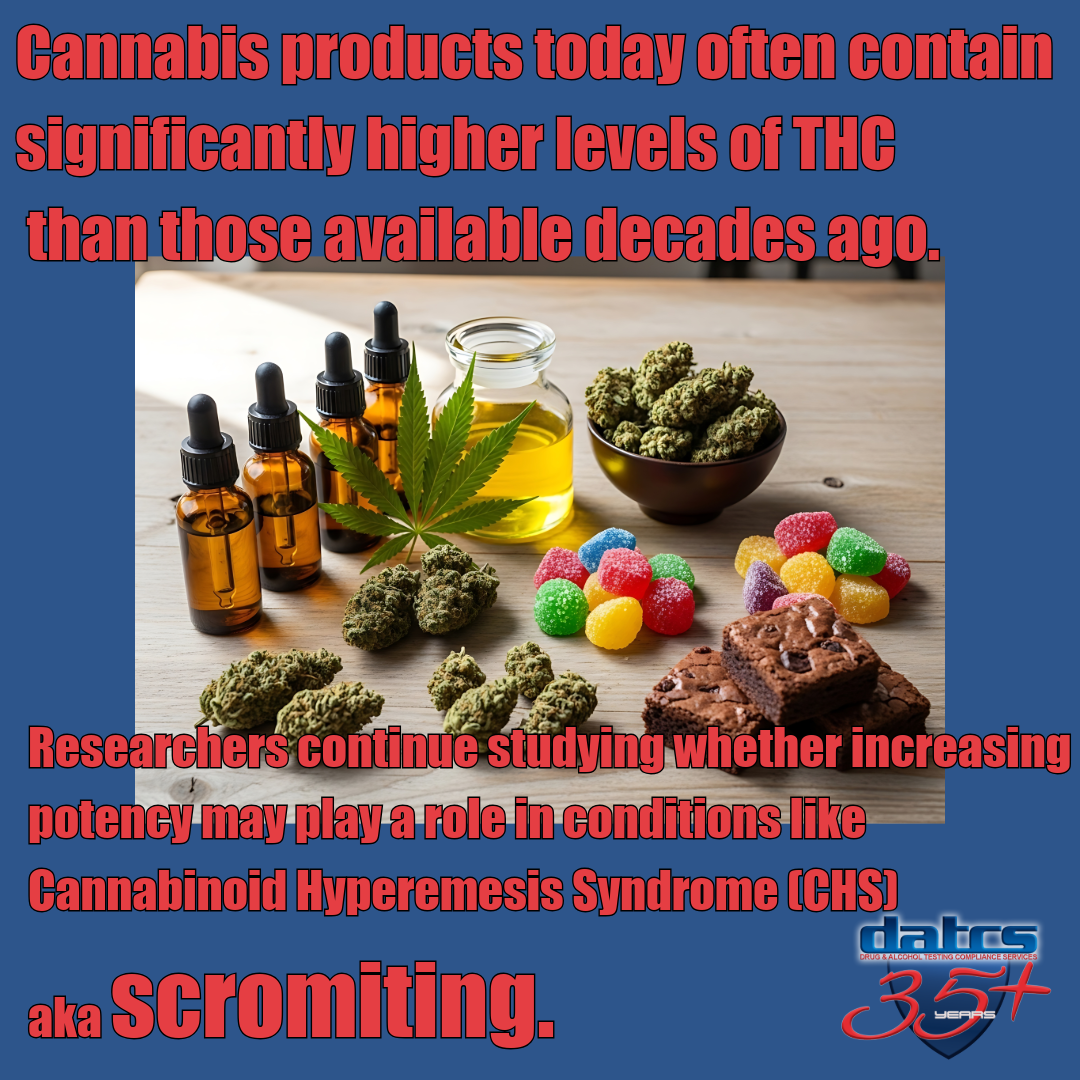
According to the National Institute on Drug Abuse, cannabis products available today often contain substantially higher concentrations of THC than products from previous decades. Consumers also have access to concentrated forms of cannabis, including oils, waxes, vape cartridges, and potent edible products.
At the same time, healthcare providers have reported increasing recognition of CHS cases. Johns Hopkins notes that cannabis products have become more potent as availability and consumption have expanded.
Although researchers have not established a direct cause-and-effect relationship between specific THC concentrations and CHS development, many experts believe increasing THC exposure deserves closer attention as the cannabis marketplace continues to evolve.
This is particularly important because many consumers may assume cannabis is harmless simply because it is legal in some jurisdictions. Legal status, however, does not eliminate potential health risks.
Cannabis is not the only substance generating new health concerns. Researchers, healthcare providers, and employers have also been monitoring the emergence of 7-OH Kratom aka “Gas Station Heroin”, which has attracted attention due to its potency and potential risks.
Who Is Most at Risk?
Current evidence suggests that CHS most commonly affects people who use cannabis regularly over extended periods of time.
Clinical guidance from healthcare organizations consistently associates CHS with chronic and frequent cannabis use rather than occasional or infrequent consumption.
The CDC’s recent analysis found elevated rates among younger individuals, highlighting the importance of education and awareness within younger populations.
As with many forms of drug abuse, early education may help individuals better understand both the short-term and long-term consequences associated with drug use.
Because researchers are still studying the condition, it remains difficult to predict exactly who will develop CHS. What is clear is that not every cannabis user experiences the syndrome, yet those who do can suffer significant physical and emotional distress.
Recognizing the Warning Signs
CHS often develops gradually.
In many cases, individuals may experience recurring episodes of nausea long before severe vomiting begins. Symptoms may come and go for months or even years before the condition is recognized.
Common warning signs include:
- Persistent nausea
- Recurring vomiting episodes
- Severe stomach pain
- Reduced appetite
- Weight loss
- Frequent need for hot showers or baths
- Dizziness
- Dehydration
- Muscle cramps
- Fatigue
As symptoms intensify, some individuals may require repeated emergency room visits due to severe dehydration and electrolyte imbalance.
These extreme episodes are what have led to the popularized term “scromiting.”
Why Do Hot Showers Help?
One of the most distinctive features of CHS is the temporary relief many patients experience from exposure to heat.
Medical providers have reported countless cases in which people suffering from CHS spend extended periods in hot showers or baths because it is one of the few things that appears to reduce symptoms.
Researchers continue investigating why this occurs. While several theories exist, the exact mechanism remains unclear. What is known is that the relief is usually temporary, and symptoms often return when the individual leaves the hot water.
Diagnosing Cannabinoid Hyperemesis Syndrome
Diagnosing CHS is often challenging because its symptoms overlap with many other medical conditions.
Healthcare providers frequently must rule out infections, gastrointestinal disorders, metabolic conditions, and other causes of chronic vomiting before identifying CHS as the likely explanation.
A thorough medical history is critical.
When chronic cannabis use is combined with recurring nausea, cyclical vomiting, abdominal pain, and relief from hot bathing, clinicians may begin to suspect Cannabinoid Hyperemesis Syndrome.
The creation of a dedicated CHS diagnosis code in 2025 is expected to improve recognition and tracking moving forward.
The Only Proven Long-Term Solution
Despite growing awareness of CHS, there is currently no specific medication approved to permanently cure the condition.
According to clinical experts, the only consistently effective long-term treatment is complete cessation of cannabis use.
During acute episodes, healthcare providers may administer fluids, correct electrolyte imbalances, and provide supportive care to stabilize the patient. However, these treatments address the symptoms rather than the source of the problem.
In many documented cases, symptoms improve after cannabis use stops and return when use resumes.
What This Means for Employers
Cannabinoid Hyperemesis Syndrome is ultimately a medical condition, but it can also have workplace implications.
Severe nausea, repeated vomiting, dehydration, and emergency room visits can all contribute to increased absenteeism and reduced productivity. In safety-sensitive environments, any condition that affects an employee’s physical well-being deserves attention.
The broader lesson for employers is that cannabis use can have consequences beyond impairment alone. Conditions such as CHS demonstrate that marijuana use may carry health risks that many individuals are unaware of, particularly as higher-potency cannabis products become more common.
Education remains one of the most effective tools available to employers seeking to support workplace safety and informed decision-making. Many organizations also incorporate drug testing as part of a broader strategy to promote safety, compliance, and substance abuse awareness.
Final Thoughts
The term scromiting may sound like a viral internet trend, but the condition behind the nickname is rooted in legitimate medical research.
Cannabinoid Hyperemesis Syndrome is a serious illness associated with long-term, frequent cannabis use. Recent CDC findings suggest it may affect far more people than previously recognized, while healthcare providers continue working to improve diagnosis and public awareness.
As cannabis products continue evolving and THC concentrations remain high in many products, understanding the potential risks associated with chronic use is increasingly important. Employers and communities that invest in training can play an important role in helping individuals make informed decisions about substance use.
For individuals who experience recurring nausea, unexplained vomiting, severe abdominal pain, or repeated relief from hot showers, discussing cannabis use honestly with a healthcare provider may be an important step toward finding answers.
Final Thoughts
The term scromiting may sound like a viral internet trend, but the condition behind the nickname is rooted in legitimate medical research.
Cannabinoid Hyperemesis Syndrome is a serious illness associated with long-term, frequent cannabis use. Recent CDC findings suggest it may affect far more people than previously recognized, while healthcare providers continue working to improve diagnosis and public awareness.
As cannabis products continue evolving and THC concentrations remain high in many products, understanding the potential risks associated with chronic use is increasingly important. Employers and communities that invest in training can play an important role in helping individuals make informed decisions about substance use.
For individuals who experience recurring nausea, unexplained vomiting, severe abdominal pain, or repeated relief from hot showers, discussing cannabis use honestly with a healthcare provider may be an important step toward finding answers.

Related Reading
Want to learn more about emerging substance abuse trends and workplace drug education?
Frequently Asked Questions
What is scromiting?
Scromiting is a slang term that combines “screaming” and “vomiting.” It refers to severe episodes of vomiting and distress associated with Cannabinoid Hyperemesis Syndrome (CHS), a condition linked to long-term cannabis use.
What causes Cannabinoid Hyperemesis Syndrome?
Researchers do not fully understand the exact cause. However, CHS is associated with prolonged, frequent cannabis use and appears to involve disruptions in the body’s cannabinoid receptor systems.
Can occasional cannabis users develop CHS?
CHS is most commonly associated with frequent, long-term cannabis use. Clinical sources describe the condition as occurring after prolonged exposure rather than occasional use.
Why do hot showers help people with CHS?
Many individuals with CHS report temporary relief from symptoms while taking hot showers or baths. Researchers continue studying why this occurs, but it is considered a common characteristic of the condition.
Is CHS life-threatening?
CHS can become serious if repeated vomiting leads to severe dehydration or electrolyte imbalances. Medical evaluation is recommended for persistent or severe symptoms.
What is the treatment for scromiting?
Current clinical guidance indicates that stopping cannabis use is the most effective long-term solution. Supportive medical treatment may be needed during acute episodes.
Are cannabis products becoming stronger?
The National Institute on Drug Abuse reports that cannabis products have increased in potency over time, and the marketplace now includes a wide variety of high-THC products.
Can CHS come back after recovery?
Yes. Clinical sources indicate that symptoms often return if cannabis use resumes after an individual has recovered from CHS.